Dry eye gets dismissed as a minor annoyance. But the cornea is one of the most nerve-dense surfaces in the body — which is why even 'mild' dryness can feel disruptive, exhausting, and shockingly hard to explain to anyone who hasn't had it.
Here's what most people don't know about dry eye.
People assume it's just too much screen time, or stress, or not drinking enough water. It sounds like such a minor problem. But here's a secret most people don't know — dry eye is a real medical condition.
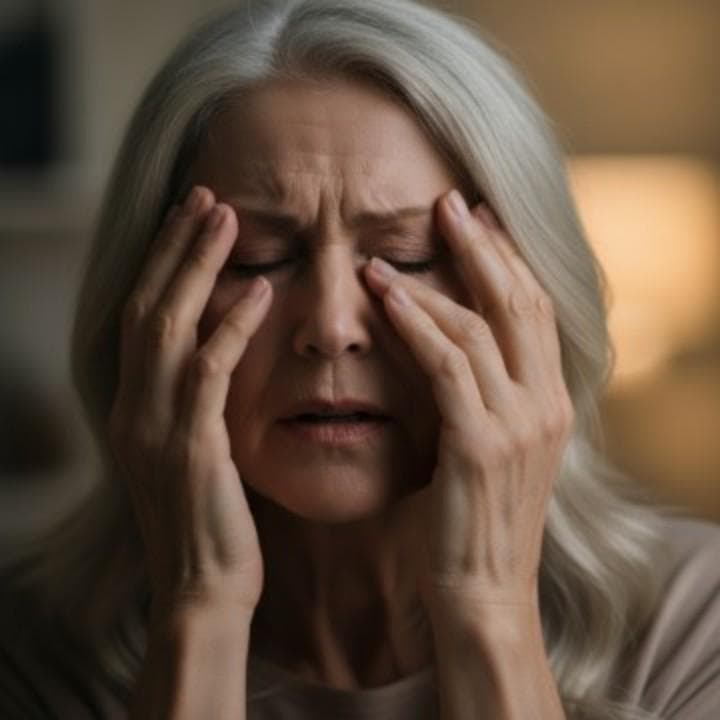
You know those days when your eyes feel like sandpaper… and you can't stop thinking about them? Or maybe you're blinking nonstop. Your vision keeps going in and out of focus. You're rubbing your eyes even though you know you shouldn't. And the worst part is — people around you don't get it.
But you know it can feel shockingly intense. It can affect reading, driving at night, wearing contacts, putting on makeup, working on a computer, or even just being outside on a windy day. It can make you feel older overnight.
Why Dry Eye Feels Like a Big Deal? Because It Is.
Here's what most people don't know: the surface of the eye has one of the highest concentrations of nerve endings anywhere in the body.
Your cornea is basically an alarm system. That "mild" dryness can feel like:
- burning
- stinging
- aching
- grittiness
- pressure around the eyes
- light sensitivity
And it's not just discomfort. It becomes a constant awareness of your eyes. When your eyes feel good, you forget they exist. When your eyes feel bad, you can't think about anything else.

Why It Can Feel Worse Than Other Conditions
What most people don't realize is that research has shown the suffering from dry eye symptoms can be comparable to the suffering caused by chest pain from heart disease.
That doesn't mean dry eye is "dangerous" like heart disease. It means it can be equally miserable. And if you've ever felt like you were being dramatic… you weren't.
The Ocular Surface: A Tiny Area with a Big Impact
The surface of the eye — aka the ocular surface — includes:
- the cornea (the clear window in front of your iris)
- the conjunctiva (the white part of your eye)
And all of that is protected by thin layers of fluid called your tear film.
The cornea isn't just "glass." It's part of your focusing system. So when it's irritated or dry, your eyes don't just hurt — your vision fluctuates.
That's why people often describe dry eye as: "My vision is blurry, then it clears up — but only momentarily, when I blink."
That's not in your head. That's tear film instability.
Why Symptoms Build Over the Day
A classic dry eye pattern looks like this:
- mornings are rough
- you feel okay after showering or using lubricating drops
- symptoms build throughout the day
- by late afternoon you feel exhausted
Why? Because your ocular surface is slowly becoming more irritated all day long. You're basically trying to function with a surface that's drying out every minute.
"Can't I Just Make More Tears?"
Nope — that's another misconception. Dry eye isn't just "not enough tears."
For many patients, the issue isn't quantity — it's quality.
Your tear film isn't just water. It's a layered system. Think of it like a vinaigrette dressing:
- mucin helps tears stick to the eye
- water provides volume and hydration
- oil prevents evaporation
If the oil layer is weak, your tears evaporate too fast. If the mucin layer is weak, your tears don't coat well. So you may be producing tears… and still feel miserable.
The Bottom Line
Dry eye isn't a minor annoyance. It can disrupt your entire day because your eye surface is incredibly sensitive, and your tear film is a complex system that has to work perfectly.
If your eyes have been burning, fluctuating in focus, or feeling gritty and tired — it doesn't mean you're weak. It means your ocular surface is struggling. And there are real solutions, but first you need to understand what's happening.
What's Next
In the next post, we'll talk about the most overlooked cause of dry eye: your eyelids. Because dry eye isn't just about tears — it's about the system that spreads them.
Don't miss the next post — sign up to get future installments delivered to your inbox, plus exclusive access to videos and free samples of OKO dry eye products.
Curious which of the common dry eye patterns might match your symptoms? Take our free 1-minute quiz and we'll send a personalized one-pager to your inbox.