Most people who try warm compresses for meibomian gland dysfunction quit before they ever see a benefit — usually because of how the therapy was explained. A cornea surgeon covers the right protocol and the four mistakes that doom it.
I want to be honest with you about something before we go any further: I do not particularly enjoy talking about warm compresses. Not because they do not work — they do, in the right patients who do them correctly — but because this is a conversation I have had hundreds of times in clinic, and most of the time it ends the same way. The patient tries warm compresses for a few weeks, does not feel dramatically better, and concludes the treatment failed. Usually, the therapy itself is not the problem — the way it is typically explained is.
Warm compress therapy for dry eye is a little like diet and exercise therapy for high blood pressure. It is easy to recommend from behind a desk, and genuinely difficult to maintain in real life. And because the results build gradually over months rather than arriving in days, most people stop before they have any chance of seeing a benefit. Understanding why the therapy works — at a mechanistic level — is, in my experience, the thing most likely to convince patients to stick with it.
Why Warm Compresses Work
The vast majority of symptomatic dry eye is not caused by insufficient tear production. It is caused by poor tear quality — specifically, by a deficiency in the oily top layer of the tear film called meibum, which is produced by the meibomian glands inside the eyelids. When this oily layer is thin or absent, tears evaporate from the surface of the eye too quickly, and the result can be a range of symptoms that many patients with meibomian gland dysfunction describe: burning, fluctuating blurry vision, irritation in wind, and eye fatigue with prolonged reading or screen use.
The meibomian glands are unusual structures. Unlike most glands in the body that simply secrete a fluid, the meibomian glands are what we call holocrine glands — meaning that the gland produces specialized cells called meibocytes that fill themselves with oily material, and then the cells themselves die and rupture, releasing their contents into the gland's duct. The upshot is twofold: first, because it is not just oil but also cellular debris flowing out of the gland, the system is inherently prone to obstruction over time; and second, the glands depend on a continuous supply of new meibocytes to keep producing oil, so anything that interrupts that supply — inflammation, aging, rosacea, chronic allergy — will reduce oil output over time.
In healthy meibomian glands, the oil stays liquid at normal body temperature because its melting point is around 32 to 34 degrees Celsius. In glands affected by meibomian gland dysfunction, studies have shown that the abnormal meibum has a substantially higher melting point — around 40 to 42 degrees Celsius, which is five to ten degrees above the normal melting point and several degrees above normal body temperature. At normal body temperature, this abnormal oil is semi-solid and sluggish. It does not flow well. It obstructs the glands. And warm compresses work by raising the temperature of the eyelid tissue to the point where even this abnormal oil liquifies and can be expressed from the glands.
The Right Protocol
Optimal warm compress therapy at home means sustained heat in the range of 40 to 42 degrees Celsius — roughly 105 to 108 degrees Fahrenheit — applied to the closed eyelids for 10 to 15 minutes, followed immediately by meibomian gland compression. Each part of that protocol matters, and skipping any one of them significantly reduces the likelihood of benefit.
Four Common Mistakes
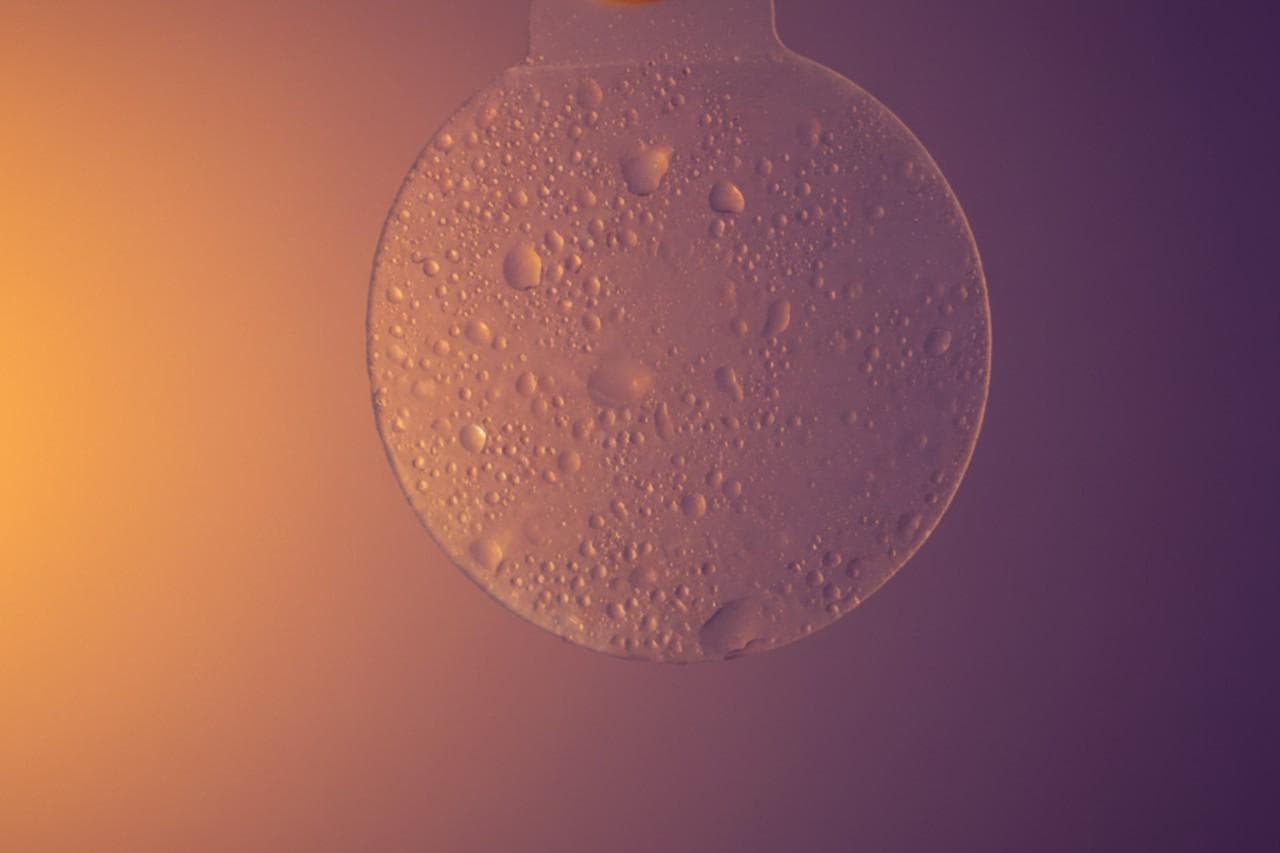
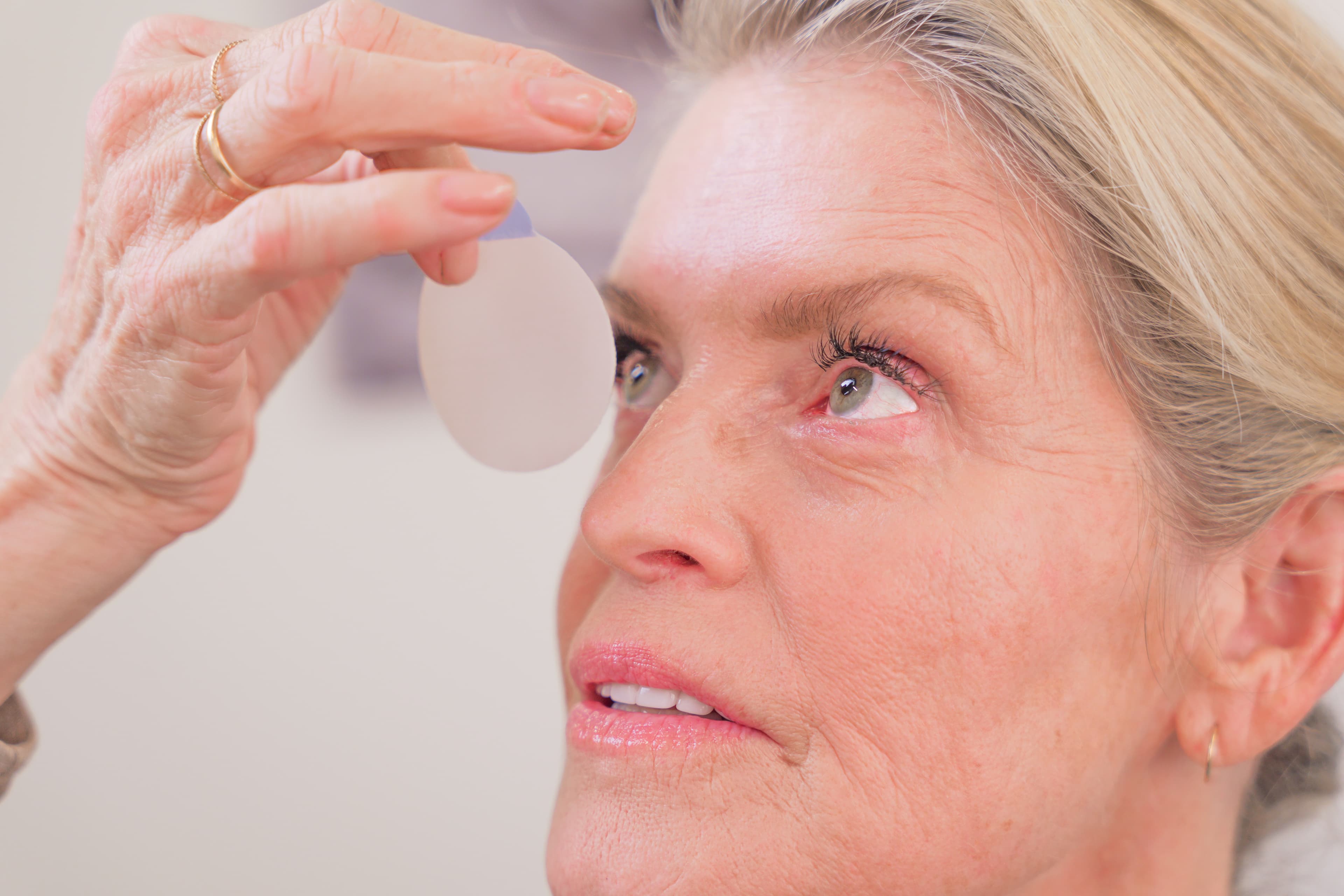
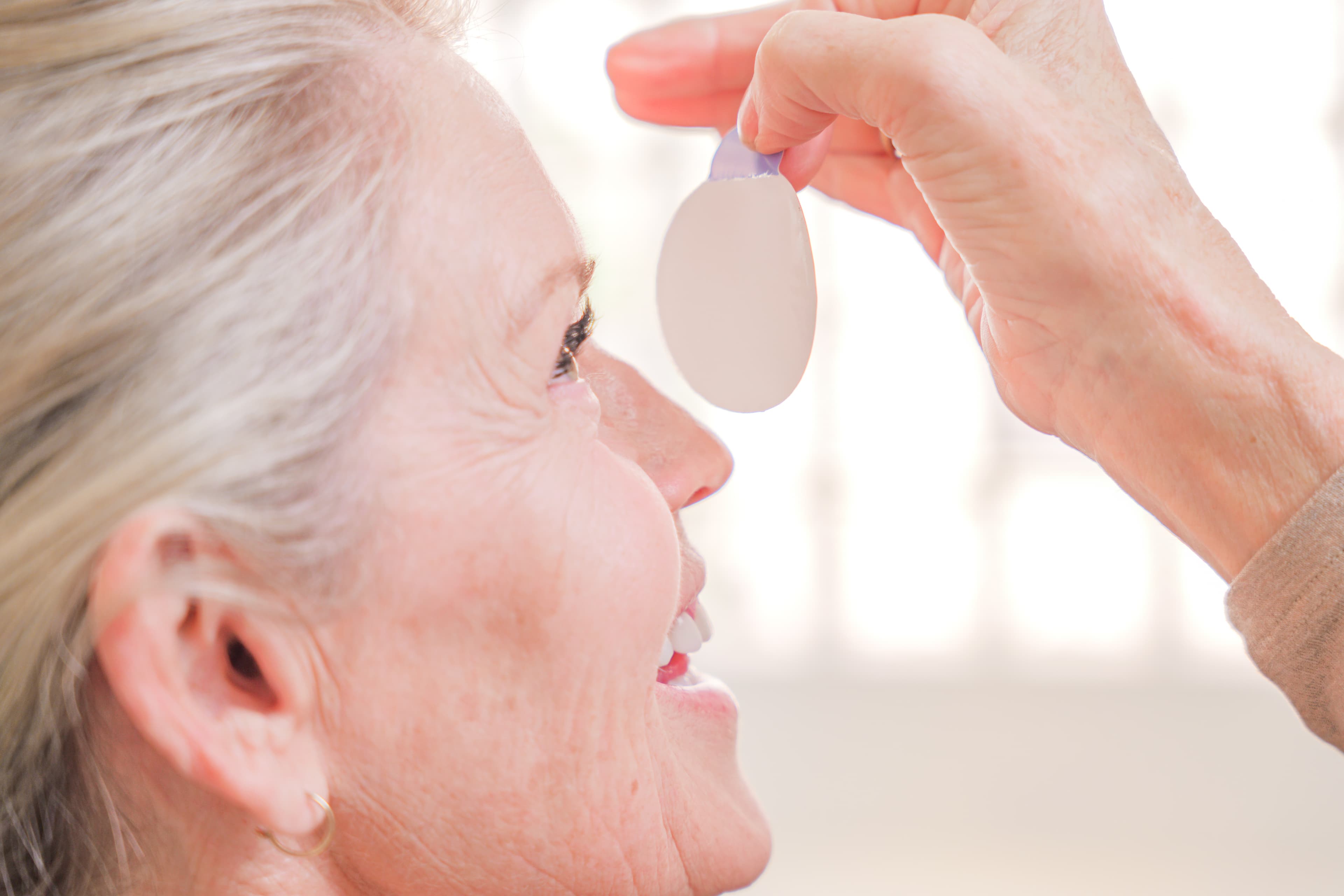
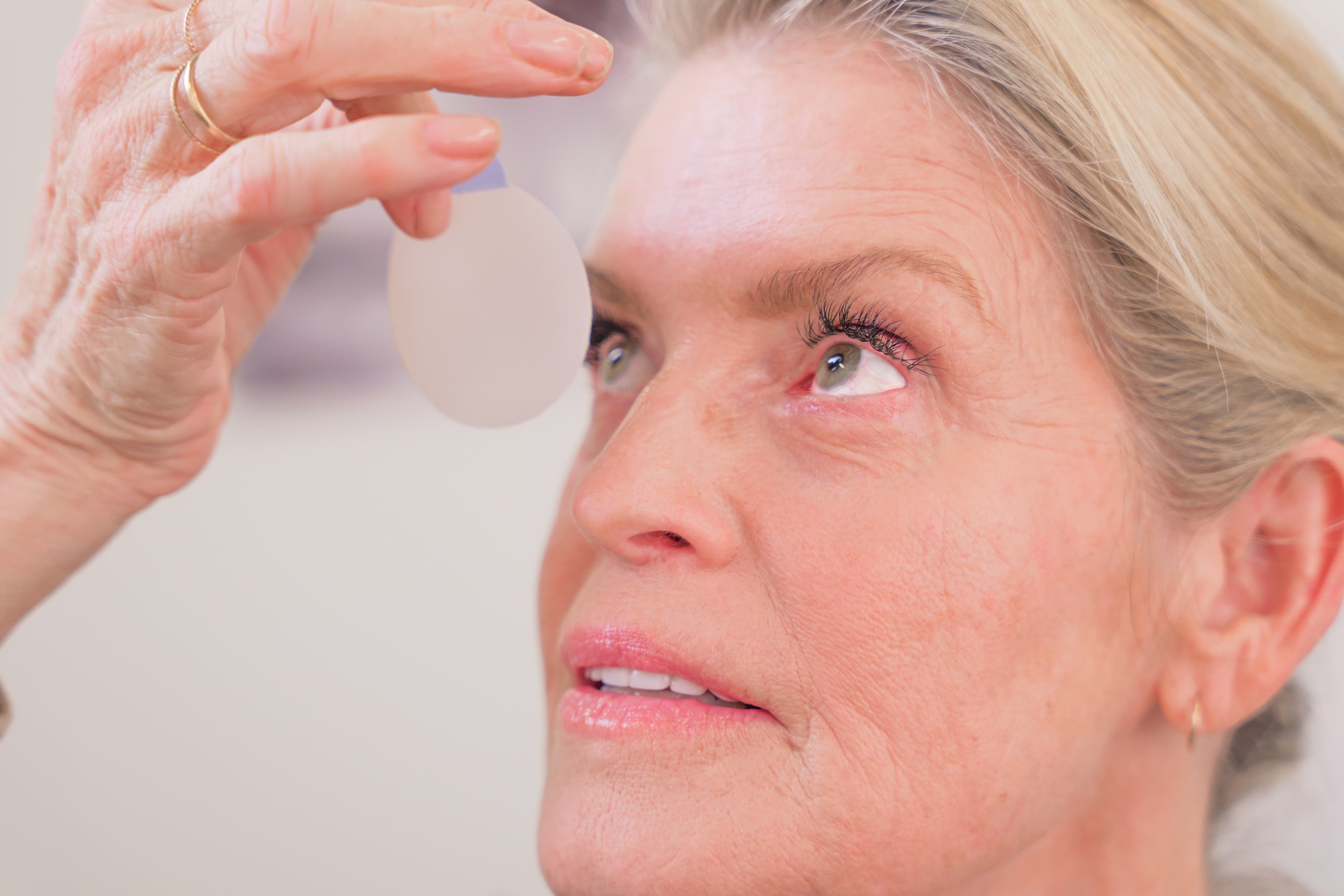
The first and most common mistake is using a wet hot towel. I understand the appeal — it is free, it is immediate, and it feels warm. The problem is physics. A wet towel cannot sustain a temperature of 105 degrees Fahrenheit for 10 to 15 minutes. The heat dissipates within the first couple of minutes, and for the remainder of the session, the patient is holding a warm-ish damp cloth against their face and accomplishing very little. I recommend a Bruder Eye Mask, which uses moisture-retaining beads that hold heat far more effectively than a wet towel, stay at a consistent temperature for the full duration of the treatment, and do not dry out the skin around the eyes.
The second mistake follows directly from the first: not doing the compress for long enough. The target of the heat is the meibomian glands, which sit on the posterior surface of the eyelid — behind the tarsal plate, which is the firm structural tissue that gives the eyelid its shape. The warm compress sits on the outer surface of the eyelid, which means the heat has to conduct through the skin and through the tarsal plate to reach the glands. That takes time. In practice, it takes a full 10 to 15 minutes of sustained heat. A two-minute compress does not accomplish this, regardless of how hot the mask is when you start.
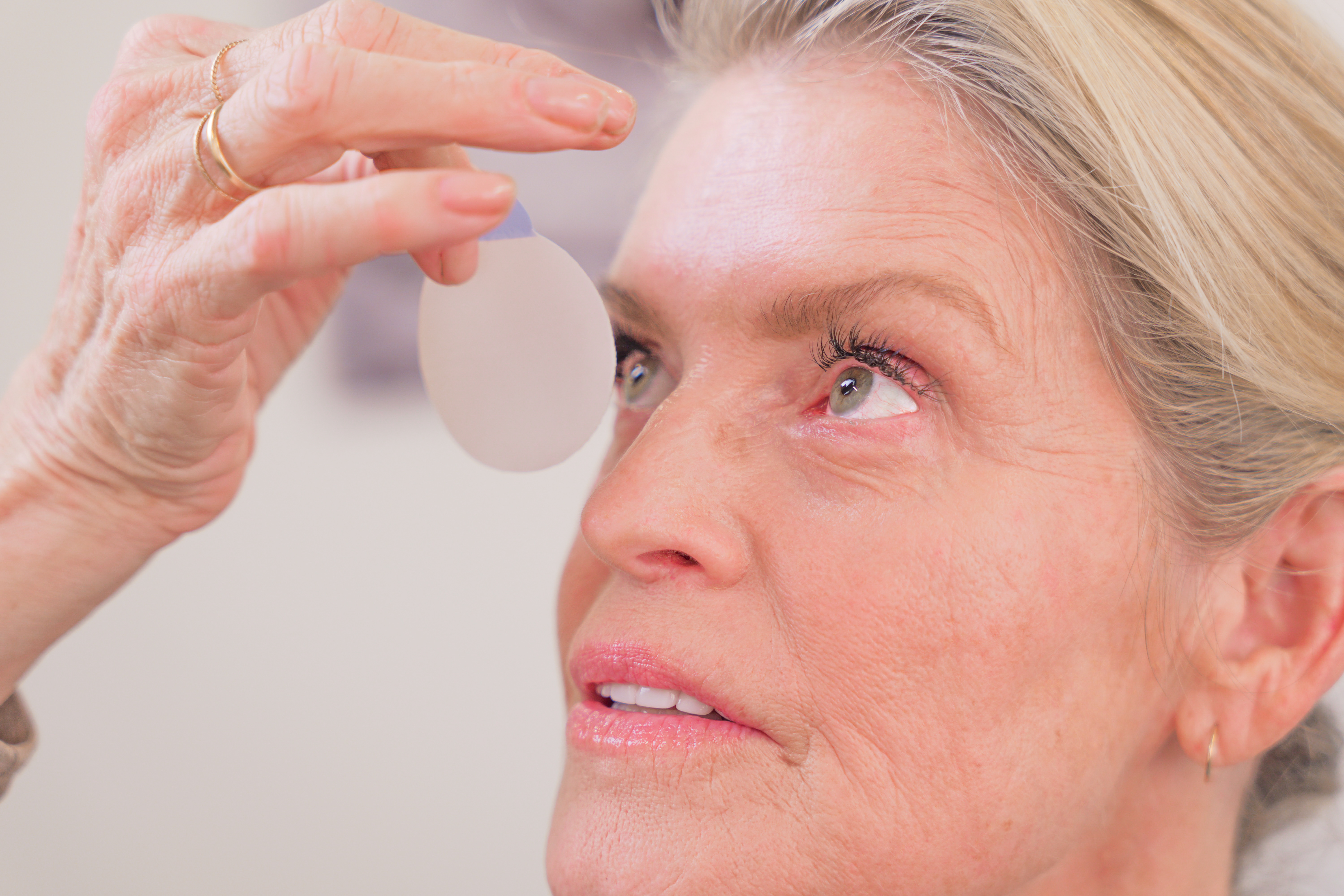
The third mistake is what I call the massage misunderstanding. When I trained, we used the term "eyelid massage," and I have come to believe that term leads most patients to an understandably different technique than what actually helps — because the word "massage" implies something it is not. You are not massaging the eyelids in any conventional sense. You are compressing the meibomian glands — pressing the oil out of them. To do this correctly, place the pad of your index finger just below the lower lash line and press the lower eyelid firmly against the eyeball beneath it. Press with enough force to feel resistance, but not so hard that you see bright flashes of light in your vision. Do the same along the upper eyelid. If you have done this correctly, your vision becomes briefly murky immediately afterward — that is the oil you just expressed from the glands. If your vision stays perfectly clear, you probably did not press firmly enough.
The fourth mistake is giving up too soon, and I think it is the one with the most real-world consequences. Warm compress therapy is not a treatment that delivers rapid relief. It is a long-term maintenance strategy, not unlike exercise for cardiovascular health. One workout does not transform your fitness. One week of compresses does not transform your meibomian glands. I tell my patients not to expect to notice a difference — a greater resilience to wind, an ability to read longer without symptoms, less sensitivity in dry indoor air — for at least six months. That timeline is not a sign the therapy is failing. It is how the physiology works. Most people have never done anything specifically for their meibomian gland health, and expecting to reverse years of potential gland dysfunction in a few weeks is genuinely unrealistic.
When Compresses Are Not Enough
There are patients for whom warm compresses and gland expression are simply not sufficient, and the most common reason is that another inflammatory process is working against them. Ocular rosacea — an eyelid manifestation of dermatologic rosacea — produces low-grade chronic inflammation around the meibomian glands that warm compresses alone cannot reverse. In fact, in patients with active ocular rosacea, warm compresses may temporarily worsen eyelid redness in the short term, even as they help in the long term. These patients typically need antibiotic or anti-inflammatory medication to bring the underlying inflammation under control first, after which warm compress therapy becomes far more effective.
The other limiting factor is gland atrophy. Over time — from chronic inflammation, aging, rosacea, or long-standing obstruction — meibomian glands can lose their functional tissue and shrink. There is currently no proven way to reverse gland atrophy. But in my experience, most patients retain at least some functional glands, and improving the output of those remaining glands through consistent warm compress therapy and expression can meaningfully improve symptoms, even if it does not restore the eye to full pre-disease function.
Warm compresses address the glands during the day. The other half of the picture is what happens overnight, when reduced blinking and any degree of incomplete eyelid closure let the already-fragile tear film evaporate for hours — which is where an overnight eye shield like OKO Deep Snooze can complement a daytime compress routine.
Frequently Asked Questions
Why are warm compresses recommended for dry eye?
Warm compresses are most commonly recommended for people with evaporative dry eye or meibomian gland dysfunction — conditions in which the issue is not insufficient tears but poor tear quality, specifically a deficiency of the oily layer produced by the meibomian glands. When those glands are obstructed or dysfunctional, tears evaporate too quickly. Warm compresses soften the oil inside the glands, making it easier to express and restore more normal gland function over time. Whether this applies to your situation is something to discuss with your eye doctor.
What is meibum?
Meibum is the oily substance produced by the meibomian glands, which are embedded in both the upper and lower eyelids. Its primary function is to coat the surface of the tear film and slow evaporation. In healthy glands it stays liquid at normal body temperature. In dysfunctional glands it thickens, slows, and obstructs — which is the problem that warm compress therapy targets.
Why doesn't a warm washcloth work well?
A wet towel loses heat rapidly and cannot sustain the target temperature — roughly 105 to 108 degrees Fahrenheit — for the 10 to 15 minutes needed for heat to transfer through the eyelid tissue to the glands. Masks specifically designed to retain heat, like the Bruder Eye Mask, maintain a consistent temperature far more effectively.
How long should I do warm compresses?
Ten to fifteen minutes of sustained heat, followed immediately by meibomian gland compression. The duration matters because the glands sit behind the tarsal plate, and it takes time for enough thermal energy to conduct through the eyelid tissue to reach them.
Why is gland expression important?
Heat softens the oil, but softened oil does not automatically flow out of the glands on its own. Gentle but firm compression of the eyelid against the eyeball immediately after the warm compress physically expresses the softened material from the glands. Skipping this step significantly reduces the benefit of the warm compress.
How long until I notice improvement?
Realistically, most patients should not expect to notice meaningful improvement — better tolerance of wind, screens, or dry environments — for at least six months of consistent daily treatment. Some patients see results sooner, but in my experience, almost no one is impressed after four weeks. This is a long-term strategy, not a quick fix.
Can warm compresses cure dry eye?
No. Warm compress therapy is a management strategy aimed at improving meibomian gland function and reducing tear evaporation over time. For patients with permanent gland atrophy or other structural changes, the goal is improvement and symptom reduction, not cure.
What can make warm compresses less effective?
The two most common limiting factors are ocular rosacea — which produces chronic inflammation around the meibomian glands that compresses alone cannot overcome — and gland atrophy, in which the glands have lost enough functional tissue that there is a ceiling on how much improvement is achievable. Both of these conditions usually require additional treatment approaches alongside warm compress therapy.
Want more plain-language guidance on protecting your eyes overnight? Sign up to get future posts from Dr. Sales delivered to your inbox, plus exclusive access to videos and free samples of OKO dry eye products.
Not sure whether meibomian gland dysfunction is behind your dry eye? Take our free 1-minute quiz and we'll send a personalized one-pager to your inbox.