CPAP mask leaks can blast a stream of air across your eyes all night. A cornea surgeon explains why CPAP causes dry eyes — including the floppy eyelid connection most people never hear about — and the fix that comes before any eye drop.
People with obstructive sleep apnea already make a significant sacrifice every night. The CPAP mask — bulky, connected to a machine by a hose, secured to the face with straps — is not anyone's idea of a comfortable sleep experience. Most people who stick with it do so because the alternative, untreated sleep apnea, is worse. So when patients start coming to me with burning, blurry, irritated eyes in the morning and I ask whether they use a CPAP mask, and they say yes, I can see the look in their eyes before I have even said anything. They are already dreading what I am about to suggest.
The good news is that this problem is almost always fixable. The bad news is that understanding it requires connecting dots across two different medical specialties — sleep medicine and eye care — that do not always communicate with each other about the same patient. This is a problem that lives at the border between those two worlds, which is exactly why it so often goes unaddressed.
Why CPAP Causes Dry Eye
The most direct cause of CPAP-related eye irritation is upward air leakage from the mask onto the ocular surface. Even subtle leaks — ones the patient may not notice — can direct a nearly continuous stream of pressurized air toward the eyes for six to eight hours overnight. To put that in perspective, think about what it would feel like to tape your eyes partially open and sit in front of a fan on full blast. That is not far from what some CPAP users experience biologically, even if they sleep right through it.
The eye's tear film is designed to maintain moisture and comfort against normal ambient conditions — not against a forced stream of air. When airflow hits the exposed ocular surface overnight, evaporation increases dramatically, and the result can mirror what eye doctors see in patients with nocturnal lagophthalmos — a condition called exposure keratoconjunctivitis, with symptoms including burning upon waking, blurry morning vision, redness and grittiness that gradually improve through the day.
Why Some Patients Are More Vulnerable
Not every CPAP user who experiences a mask leak develops eye symptoms. Patients whose tear films are already compromised — from dry eye tendencies, meibomian gland dysfunction, prior LASIK, hormonal changes, or other factors — are at substantially higher risk. In those patients, even a small increase in overnight evaporation can push an already vulnerable ocular surface into symptomatic exposure.
But there is another factor that deserves more attention than it typically gets, and that is the relationship between obstructive sleep apnea and floppy eyelid syndrome. Floppy eyelid syndrome is a condition in which the eyelids lose their normal structural elasticity and become abnormally lax. This laxity makes the eyelids more prone to incomplete closure during sleep — meaning that patients with floppy eyelid syndrome may already be sleeping with their eyes partially open before the CPAP mask ever enters the picture. The association between obstructive sleep apnea and floppy eyelid syndrome is well-established and not coincidental. The intermittent periods of low oxygen that characterize untreated sleep apnea appear to contribute to the structural changes in the eyelid tissue that produce the floppy eyelid phenotype.
The irony is that CPAP therapy, by treating the sleep apnea and reducing those hypoxic episodes, may actually slow the progression of floppy eyelid syndrome over the long term. But in the short term, if the mask leaks, it can worsen the very eye symptoms that the floppy eyelid is already producing. It is, as I tell these patients, a little like two steps forward and one step back.
Mask Fit Checklist
The first and most important intervention for CPAP-related eye irritation is proper mask fit. Many CPAP leaks are subtle by nature — the escaping air may be nearly silent, and the machine's own reporting may not flag it — which is why a formal mask evaluation is often the most reliable way to identify the problem. A sleep medicine specialist or CPAP provider can review the mask fit, check for unintentional airflow toward the eyes, and adjust straps, cushions, or mask style accordingly. This step alone resolves the problem for many patients, and it is always worth doing before adding any eye-specific interventions.
When You Need Nighttime Eye Protection
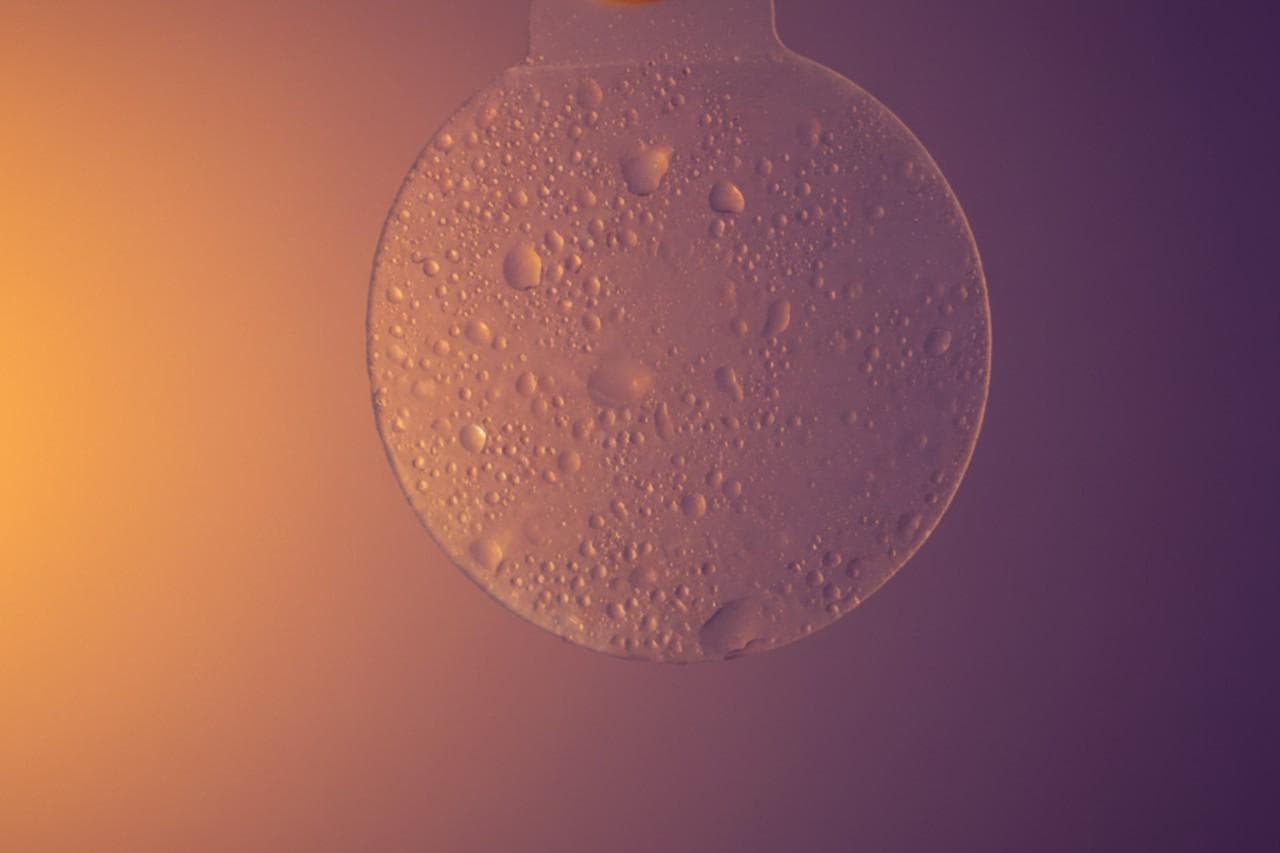
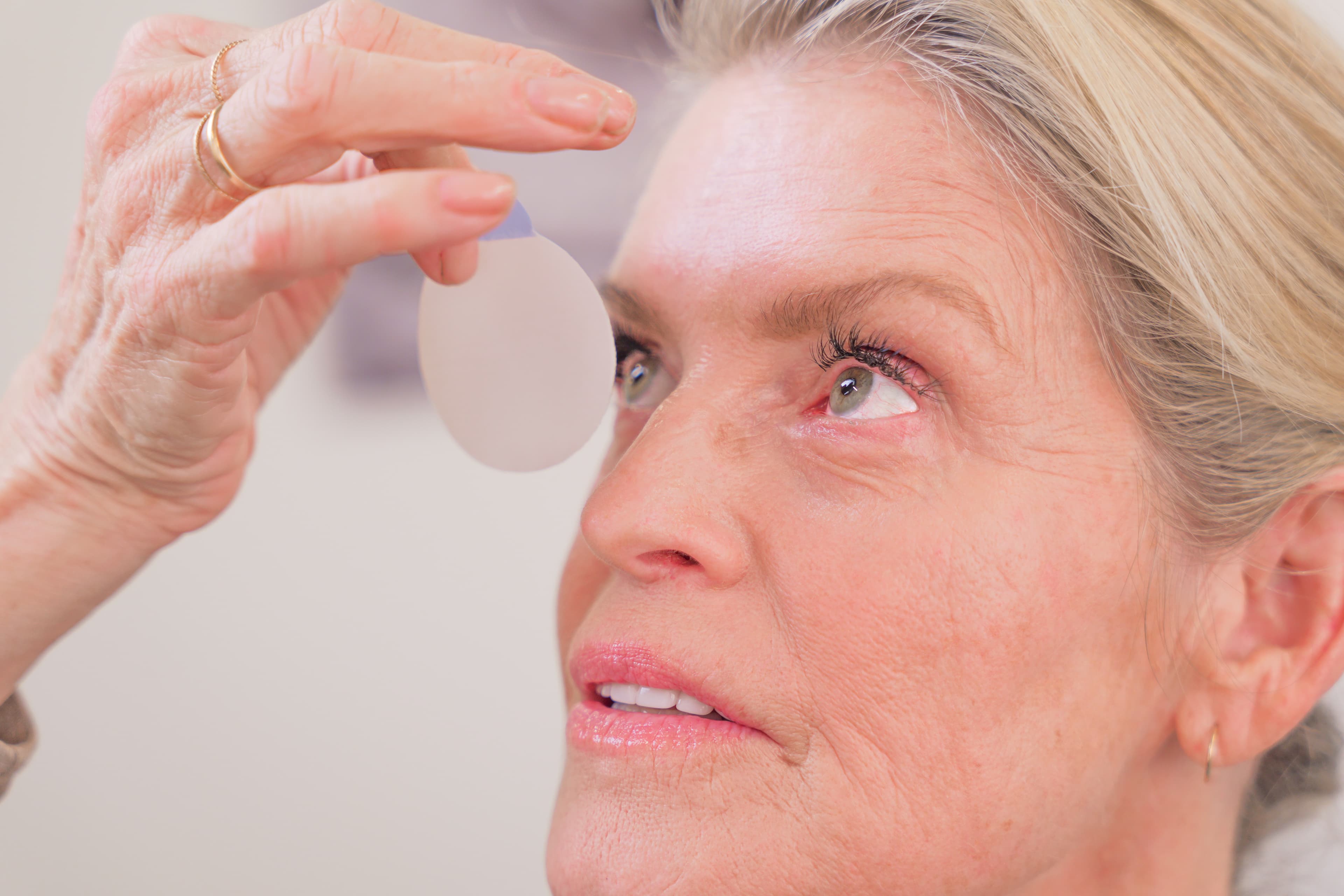
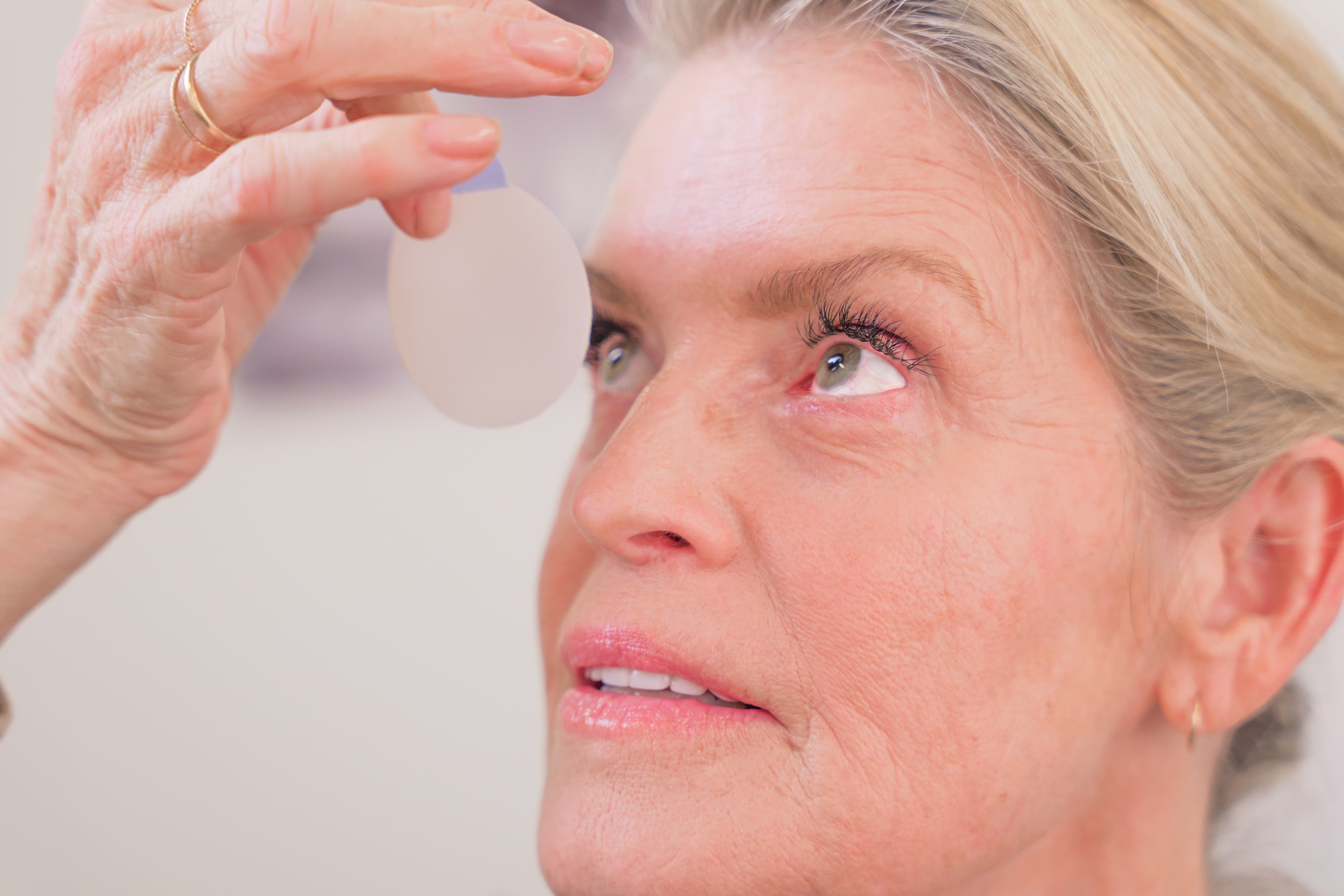
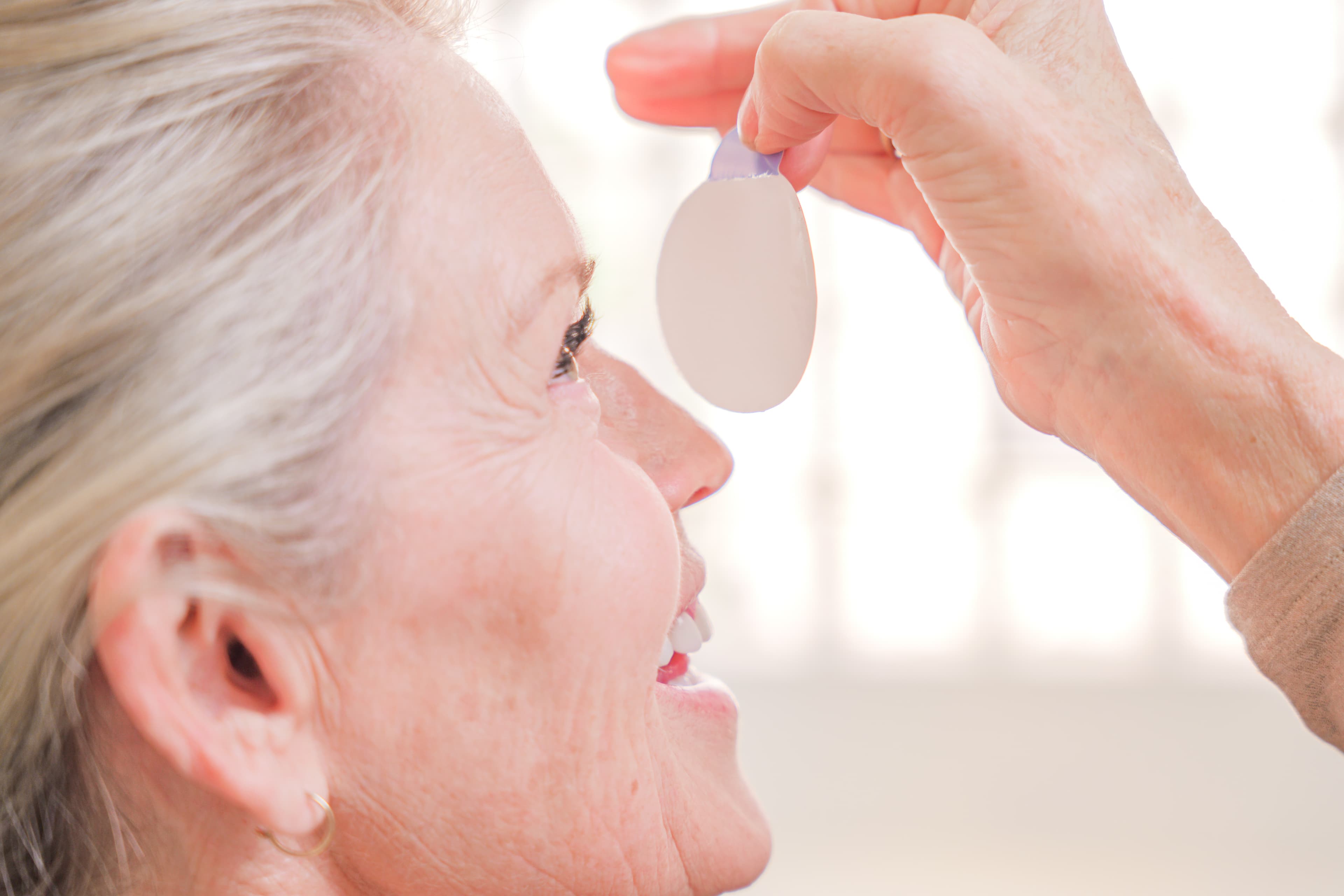
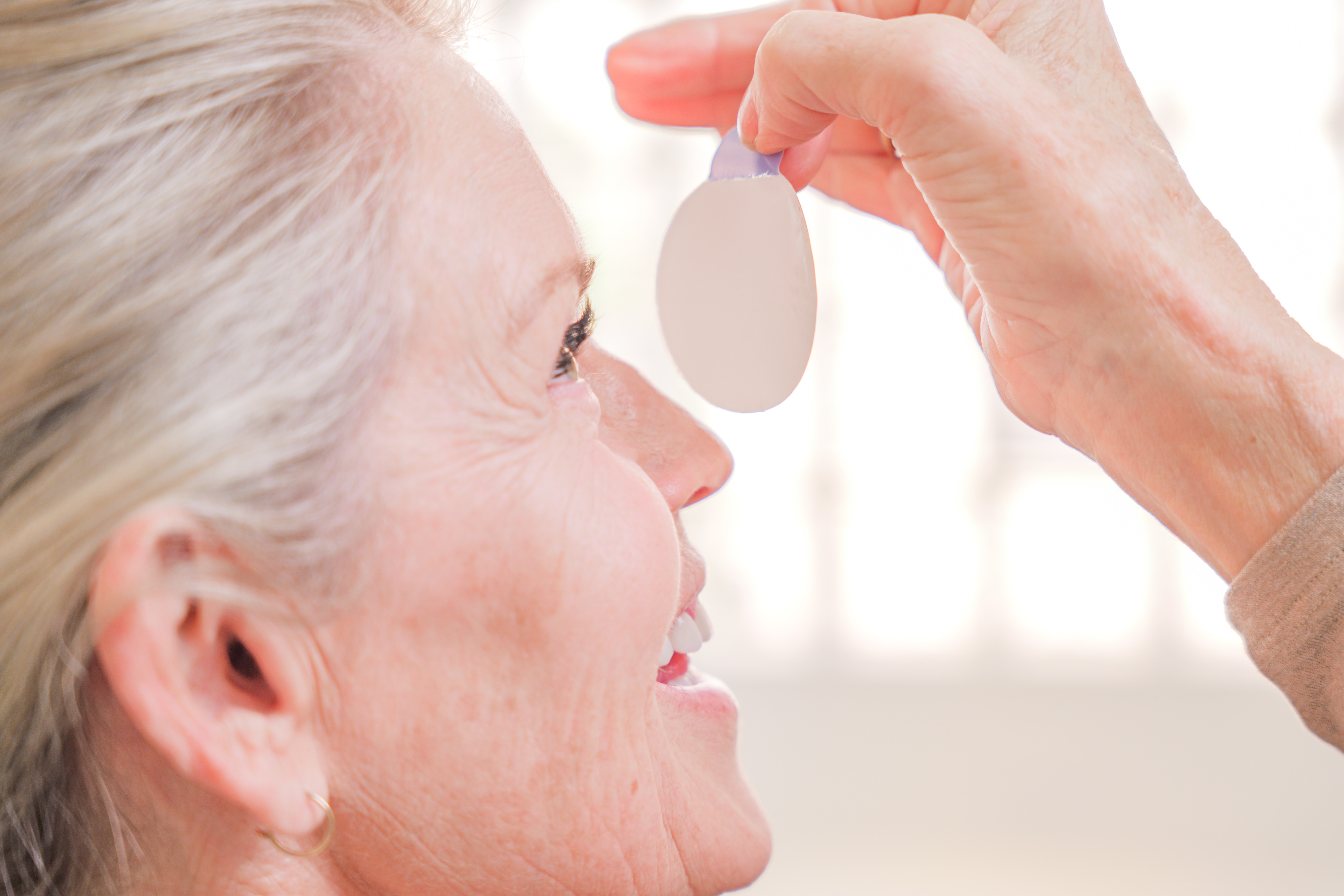
If symptoms persist despite optimal mask fit, the remaining contributors are usually incomplete eyelid closure — whether from floppy eyelid syndrome, nocturnal lagophthalmos, or both — and underlying ocular surface vulnerability. In these patients, the approach is the same as for other forms of overnight eye exposure: lubrication, beginning with oil-containing drops or gels and progressing to ointments for more significant exposure; and, when lubrication is insufficient, mechanical strategies to reduce overnight ocular surface exposure, such as moisture chamber goggles or an overnight eye shield like OKO Deep Snooze.
I want to acknowledge something here that I think matters: for many CPAP users, this is the part of the conversation that feels like too much. The mask is already an intrusion. The machine is already there. The nightly setup is already more involved than anyone wanted. Asking a patient to add goggles or an eye mask or tape to that routine is, in many cases, the straw that breaks the camel's back — and if it causes the patient to give up on CPAP entirely, the cure has become worse than the disease. This is a real clinical tension, and the right answer depends on the individual patient's tolerance and priorities. My job is to help find an approach that adequately protects the eye without making an already burdened sleep routine completely unsustainable.
Frequently Asked Questions
Can CPAP masks cause dry eye?
Yes, in a subset of users. The most common mechanism is upward air leakage from the mask directing pressurized airflow onto the ocular surface overnight, which accelerates evaporation and can cause the same pattern of morning irritation seen in other forms of overnight eye exposure.
Why are symptoms usually worst in the morning?
Because the damage accumulates overnight. Hours of increased evaporation break down the tear film and stress the ocular surface, and the symptoms are most pronounced the moment you wake up — before normal blinking has had a chance to begin re-lubricating the eye.
Can even a small air leak cause significant irritation?
Yes. Even subtle leaks — ones the patient may not consciously perceive — can direct airflow toward the eyes for hours. The cumulative effect of that sustained airflow on overnight evaporation can be substantial, particularly in patients with underlying ocular surface vulnerability.
What is floppy eyelid syndrome?
Floppy eyelid syndrome is a condition characterized by abnormal laxity — looseness — of the eyelid tissue, which causes the eyelids to lose their normal structural integrity and become prone to incomplete closure during sleep. It is strongly associated with obstructive sleep apnea. Patients with floppy eyelid syndrome may already be experiencing overnight ocular surface exposure from incomplete closure before CPAP-related airflow adds to the problem.
Does everyone with sleep apnea have floppy eyelid syndrome?
No, but the overlap between the two conditions is meaningful and well-documented. Clinicians who see patients with obstructive sleep apnea and unexplained morning eye irritation should have a low threshold for considering floppy eyelid syndrome as a contributing factor.
What can help reduce CPAP-related eye irritation?
The first step is always optimizing mask fit and minimizing upward airflow leaks — this alone resolves symptoms in many patients. If symptoms persist despite a well-fitting mask, nighttime lubrication with oil-containing drops, gels, or ointments may help. For patients who do not respond adequately to topical lubrication, additional strategies to reduce overnight ocular surface exposure — including moisture chamber goggles or other mechanical approaches — are available, though patient tolerance and compliance are real practical considerations.
Should I talk to my eye doctor or my sleep doctor about this?
Ideally both, since the problem sits at the intersection of their respective expertise. Your sleep medicine provider or CPAP technician is best positioned to evaluate mask fit and airflow. Your eye doctor can assess the ocular surface, evaluate for floppy eyelid syndrome or other contributing conditions, and guide the management of the exposure itself. In practice, I find that patients benefit most when both providers are aware of the issue and communicating about it.
Want more plain-language guidance on protecting your eyes overnight? Sign up to get future posts from Dr. Sales delivered to your inbox, plus exclusive access to videos and free samples of OKO dry eye products.
Wondering whether CPAP airflow or incomplete eyelid closure is drying out your eyes? Take our free 1-minute quiz and we'll send a personalized one-pager to your inbox.